

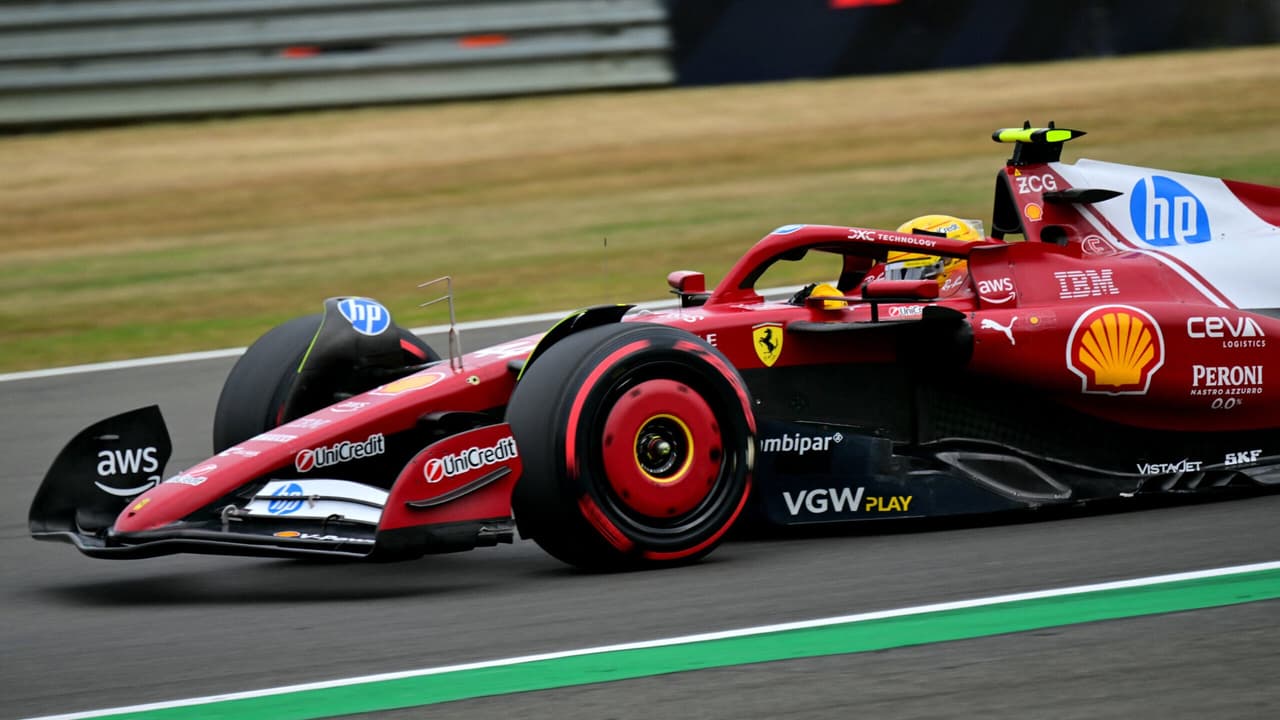
Ferrari, once the dominant force in Formula 1, is once again facing a significant blow to its engine department. Two of the team’s most experienced power‑unit engineers have confirmed that they will be leaving the Scuderia in 2026 to join Audi, the German manufacturer that is set to enter the grid that year. The departures of Wolff Zimmermann and Lars Schmidt mark a major shift in Ferrari’s technical hierarchy at a time when the team is already grappling with the challenges of a new engine era and a restructuring of its aerodynamic and driver‑development programs.
A Roster of Departures
Ferrari’s recent shake‑ups have not been limited to the cockpit. In the wake of internal reorganisations—most notably the re‑allocation of responsibilities within the aerodynamics sector and a change in the leadership of its young‑driver academy—management has now announced that two senior power‑unit engineers will be leaving the organisation. The decision comes as the team prepares for the 2026 season, when Formula 1 will introduce a new set of regulations that will see all teams run 5.5‑litre V6 turbo‑charged hybrid power units with a minimum weight of 730 kg.
- Wolff Zimmermann – 10+ years at Ferrari, responsible for the 2026 engine project.
- Lars Schmidt – Chief performance engineer for the internal‑combustion engine, now slated to join Audi.
Both engineers are confirmed to be moving to Audi, which will field its own engine for the 2026 season. The timing of the move—coinciding with the announcement of the new engine regulations—highlights the strategic importance of the talent that Ferrari is losing.
Wolff Zimmermann: A Decade of Innovation
Zimmermann’s tenure at Ferrari spans more than a decade, during which he has been involved in every major power‑unit iteration that the team has produced. In 2023, he was tasked with overseeing the development of the 2026 engine, a project that is now in its early stages of design. His expertise in turbo‑charged hybrid technology and his reputation for pushing the envelope in engine efficiency are widely recognised within the sport.
When the team’s direction changed in 2025, Zimmermann’s role was re‑evaluated. The management decided that a fresh perspective was needed for the upcoming engine era, and the move to Audi is seen as an opportunity for him to apply his knowledge in a new environment where he will be part of a nascent engine programme.
Lars Schmidt: From Ferrari to Audi
Schmidt has served as the chief performance engineer for Ferrari’s internal‑combustion engine. His responsibilities have included fine‑tuning the combustion process, optimizing power delivery, and ensuring that the engine meets the stringent reliability standards required for the sport. He is a long‑time colleague of Mattia Binotto, the current head of Audi’s F1 engine project and the former Ferrari engine chief.
Schmidt’s move to Audi is not entirely unexpected. The German manufacturer has been recruiting talent from across the grid to build a competitive engine programme from the ground up. His experience with Ferrari’s power‑unit architecture will be invaluable as Audi works to meet the 2026 regulations and establish itself as a reliable engine supplier.
Implications for Ferrari’s 2026 Engine Strategy
Ferrari’s engine strategy for 2026 hinges on a delicate balance between innovation, reliability, and compliance with the new regulations. The loss of Zimmermann and Schmidt raises several immediate questions:
- Knowledge Transfer – Both engineers have intimate knowledge of Ferrari’s current engine designs and future plans. Their departure may slow the development pipeline as the team seeks to fill the gaps.
- Leadership Transition – Enrico Gualtieri, who has been the focal point of the power‑unit project, will now shoulder a larger load. Gualtieri’s experience is a stabilising factor, but the absence of Zimmermann’s and Schmidt’s specialised expertise will still be felt.
- Competitive Edge – In the high‑stakes environment of Formula 1, even small delays can translate into lost positions on the track. Ferrari will need to accelerate its R&D processes to stay competitive.
While the team has a robust engineering culture, the departure of two senior engineers at a pivotal moment could create a temporary dip in performance. The challenge for Ferrari will be to maintain momentum while integrating new talent and preserving the knowledge base that has traditionally underpinned the team’s success.
Audi’s Entry into Formula 1
Audi’s decision to bring in experienced engineers from rival teams is part of a broader strategy to launch a competitive engine programme in 2026. The German manufacturer is investing heavily in research and development, and the arrival of seasoned professionals such as Zimmermann and Schmidt will provide a solid foundation for building a reliable power unit.
The 2026 regulations are designed to reduce power‑unit costs and promote sustainability. All teams will use a 5.5‑litre V6 turbo‑charged hybrid engine, and the new rules place a greater emphasis on energy recovery systems and fuel efficiency. Audi’s engine project will need to address these technical challenges while ensuring that the power unit meets the required reliability standards across a season of 23 races.
The Broader Context of F1 Engine Regulations
Formula 1’s 2026 engine era marks a significant shift in the sport’s technical landscape. The new regulations aim to:
- Reduce the cost of developing and running engines.
- Encourage greater use of hybrid technology and energy recovery.
- Limit the number of power‑unit changes per season.
- Promote sustainability through stricter fuel efficiency targets.
These changes will affect all teams, but the impact is particularly pronounced for those that have built their technical identity around a specific engine architecture. For Ferrari, maintaining a competitive edge will require not only technical excellence but also strategic partnerships and a clear vision for the future.
What Comes Next for Ferrari?
In the immediate future, Ferrari will focus on stabilising its power‑unit development team. The management has indicated that Enrico Gualtieri will take on a more central role, guiding the project through its critical early phases. Additionally, the team is expected to accelerate its recruitment of new talent to fill the vacancies left by Zimmermann and Schmidt.
Beyond the technical side, Ferrari will also need to manage the psychological impact on the team’s morale. The departure of key personnel can create uncertainty, but it also presents an opportunity for fresh ideas and new approaches. The Scuderia’s long history of resilience suggests that it will adapt to these changes and continue to compete at the highest level.
As the 2026 season approaches, all eyes will be on how Ferrari navigates this period of transition. The team’s ability to maintain its competitive edge will depend on how effectively it can integrate new engineers, preserve institutional knowledge, and align its engine strategy with the new regulatory framework. The departure of Wolff Zimmermann and Lars Schmidt to Audi is a significant development, but it is only one piece of the complex puzzle that is Formula 1’s evolving technical landscape.