
Monza Victory, F1 Pause, and Azerbaijan GP Preview
 Por Samuel CardosoAtualizado em 15/09/2025 · 7 min de leitura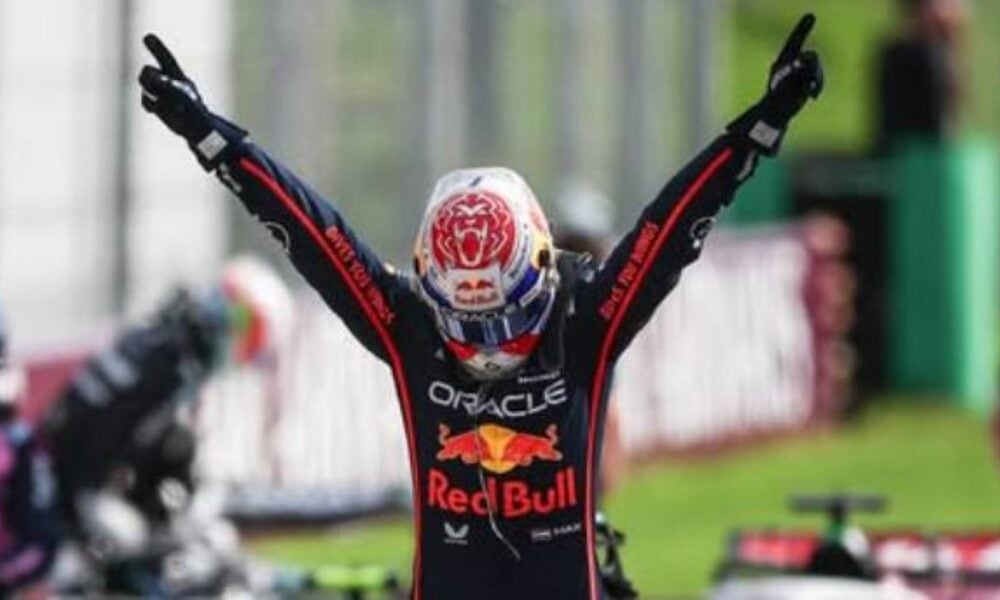
In the world of high‑octane racing, a single victory can shift the balance of a championship and reshape the calendar. Max Verstappen’s commanding win at Monza not only extended his lead over rivals but also prompted Formula 1 to schedule a brief pause, giving teams a much‑needed breather before the next relentless challenge: the Azerbaijan Grand Prix in Baku, set for 19 – 21 September. This article breaks down the sequence of events, the strategic implications for teams, and the unique characteristics of the Baku street circuit that make it a favourite for both drivers and fans.
1. Monza: A Dominant Performance by Verstappen
Monza, the “Temple of Speed,” delivered a spectacle when Max Verstappen of Red Bull Racing crossed the finish line in first place. The Dutch driver showcased his mastery of the high‑downforce, high‑speed layout, pulling away from the field early and maintaining a lead that was hard to contest. The victory was the result of a combination of flawless tyre management, strategic pit stops, and an impressive start that left competitors behind.
Key moments from the race included:
- Fastest lap: Verstappen set the quickest lap time of the event, underscoring the car’s performance.
- Pit strategy: Red Bull’s rapid pit stops, executed within 2.3 seconds, minimized time lost and preserved track position.
- Defensive driving: The driver effectively defended against a challenge from McLaren’s Oscar Piastri and Lando Norris, securing a podium finish for the entire front‑row.
The win extended Verstappen’s championship advantage, while McLaren’s consistent performance pushed the team further ahead in the Constructors’ standings. Ferrari and Mercedes also secured valuable points, keeping the battle for the top three positions alive.
2. The Strategic Pause in the Calendar
Following the intense Italian double‑round weekend that included Imola and Monza, Formula 1 introduced a one‑week break. The pause, scheduled for 14 September, aligns with the FIA’s commitment to athlete welfare and logistical efficiency. It allows teams to:
- Transport equipment via maritime routes, reducing jet lag for drivers and crew.
- Analyze telemetry data from the Italian races to refine car setups.
- Prepare for the demanding conditions of the Azerbaijan circuit, which features extreme temperatures and a high‑speed street layout.
While on the track, the break also provides a mental reset for drivers, who can recover from the physical demands of consecutive races. The timing of the pause is a strategic decision that balances the intensity of the season with the need for rest and preparation.
Impact on Teams and Drivers
For the Red Bull team, the pause offers an opportunity to evaluate the performance of the new power unit and aerodynamic updates. McLaren and Ferrari can use the break to test new components and refine tyre strategies. Drivers, especially those who push the limits in the high‑downforce environment of Monza, benefit from the rest period to sharpen focus for the next challenge.
3. Azerbaijan Grand Prix – Baku: The 17th Round of 2025
The Azerbaijan Grand Prix, scheduled for 19 – 21 September, marks the 17th race of the 2025 season. The event takes place on a 6.003‑kilometre street circuit in the historic centre of Baku, along the shores of the Caspian Sea. The track blends high‑speed straightaways with tight, technical corners, creating a dynamic environment that tests both car performance and driver skill.
Track Layout and Key Features
- Long straight: The 2.2‑kilometre main straight allows cars to reach top speeds, making it a prime spot for DRS‑enabled overtaking.
- Castle section: A series of 90‑degree turns and close walls demand precise braking and acceleration, often leading to safety car deployments.
- Weather conditions: Temperatures average 22 °C, with occasional gusts from the Caspian Sea affecting tyre wear and aerodynamic balance.
- Safety car frequency: Historically, safety cars are activated in over 70% of Baku races due to the narrow nature of the street circuit.
The circuit’s layout draws comparisons to other street circuits such as Monaco and Singapore but is distinguished by its high‑speed sections and the strategic use of DRS zones. The combination of technical sections and long straights makes Baku a favourite for both overtaking manoeuvres and strategic pit stops.
Pirelli Tyre Strategy
Pirelli supplies three tyre compounds for the Azerbaijan GP: C3 (hard), C4 (medium), and C5 (soft). Teams usually adopt a one‑stop strategy, running a stint on soft tyres during qualifying and switching to hard or medium tyres for the race. The soft compound, while offering maximum grip, is more susceptible to blistering at temperatures above 25 °C, a common scenario in Baku.
Weather and Its Influence on Race Strategy
With a predominantly sunny day and minimal rainfall, teams must manage tyre degradation caused by heat. The high temperatures can increase tyre wear by up to 10%, requiring careful monitoring of tyre temperatures and pressures. Wind patterns along the Caspian shoreline can also affect car stability, especially on the main straight, necessitating adjustments to the rear wing angle.
4. Team Outlooks for Baku
Each team approaches the Azerbaijan GP with a distinct strategy tailored to the circuit’s demands:
- Red Bull Racing: Verstappen aims to build on his Monza momentum, focusing on a clean tyre strategy and optimal use of DRS on the main straight.
- McLaren: With Oscar Piastri leading the team’s championship, McLaren prioritises consistent lap times and efficient pit stops to secure points for both drivers.
- Ferrari: Leclerc targets pole position and a strong finish, relying on a refined aerodynamic package to maximise straight‑line speed.
- Mercedes: George Russell focuses on stability and tyre preservation, looking for opportunities to capitalize on safety car periods.
- Williams and Alpine: Both teams aim to leverage their good balance of aerodynamics to make the most of the high‑speed sections, hoping for surprise points finishes.
Historical Context
Baku has a reputation for producing chaotic races, with safety cars and unpredictable incidents frequently reshuffling the order. Drivers who can adapt quickly to changing tyre conditions and maintain composure in the tight corners often emerge victorious. The race’s unpredictable nature makes it a favourite for fans who enjoy the drama of street‑circuit racing.
5. Logistical and Environmental Considerations
The 2025 season places a strong emphasis on sustainability. The FIA’s environmental strategy includes the use of bio‑fuels, which are expected to reduce emissions by approximately 15% compared to the previous year. In Baku, teams will also benefit from local electric charging infrastructure at the paddock, reducing the carbon footprint of the event.
Transport logistics for the 2025 season involve a combination of air and sea freight. After Monza, most equipment is shipped by sea to the Caucasus region, arriving a few days before the race weekend. This approach reduces the environmental impact of long‑distance flights and helps teams maintain a steady supply chain for spare parts and upgrades.
6. Fan Experience and Broadcast Coverage
For fans in Brazil, the Azerbaijan GP is broadcast live at 8 a.m. Brasília time, allowing viewers to follow the action from the very start of the race. The event is covered on both free‑to‑air television and pay‑per‑view platforms, ensuring wide accessibility. The local audience in Baku is expected to fill the stands, with ticket sales for the main straight and the Castle section selling out in advance.
Safety Measures
Safety remains a top priority. The circuit features Tecpro barriers and advanced fire‑suppression systems throughout the track. Medical teams are stationed at each corner, and a dedicated rescue helicopter is on standby to respond to incidents quickly.
7. Conclusion
Max Verstappen’s victory at Monza not only set the tone for the rest of the season but also highlighted the need for a strategic pause in the tightly packed calendar. The break gives teams time to regroup, analyse data, and prepare for the high‑speed, high‑risk environment of Baku. With the Azerbaijan Grand Prix on the horizon, drivers, teams, and fans alike are poised for an exciting chapter in the 2025 Formula 1 season. The blend of technical skill, strategic ingenuity, and the ever‑present element of unpredictability will make Baku a race to watch.
As the calendar unfolds, the sport continues to evolve, balancing the thrill of competition with the demands of athlete welfare and environmental responsibility. The upcoming races promise to keep the drama alive, and the story of 2025 remains far from over.

Samuel Cardoso
Samuel Cardoso é o fundador e editor-chefe do Binóculo de Ofertas. Com mais de seis anos de experiência no mercado de tecnologia, ele se dedica a ajudar o consumidor brasileiro a fazer escolhas inteligentes por meio de uma curadoria focada no custo-benefício real. Especialista em eletrônicos e eletrodomésticos, Samuel já testou e avaliou mais de 180 produtos — incluindo notebooks, smartphones, Smart TVs e eletroportáteis. Seu método prioriza testes práticos de desempenho, eficiência energética e durabilidade no uso diário.
Site do autor · Ver todos os artigos →
Nenhum comentário